
Your next move should feel like a step forward.
Moving home involves more than finding a new property. Understand your existing mortgage, available equity, buying costs, affordability and the practical steps involved in moving from one home to another.

Your current home can shape what comes next.
When you already own a property, your next purchase can involve two connected decisions: selling your existing home and buying your next one.
Understanding the value of your current property, outstanding mortgage balance, potential equity and additional buying costs can help you build a more realistic moving budget.
Think about the move as one connected journey.
Selling your current property and buying another can involve overlapping financial, legal and practical steps.

Your Current Home
Consider its potential sale value, outstanding mortgage, selling costs and the equity that may be available towards your next purchase.
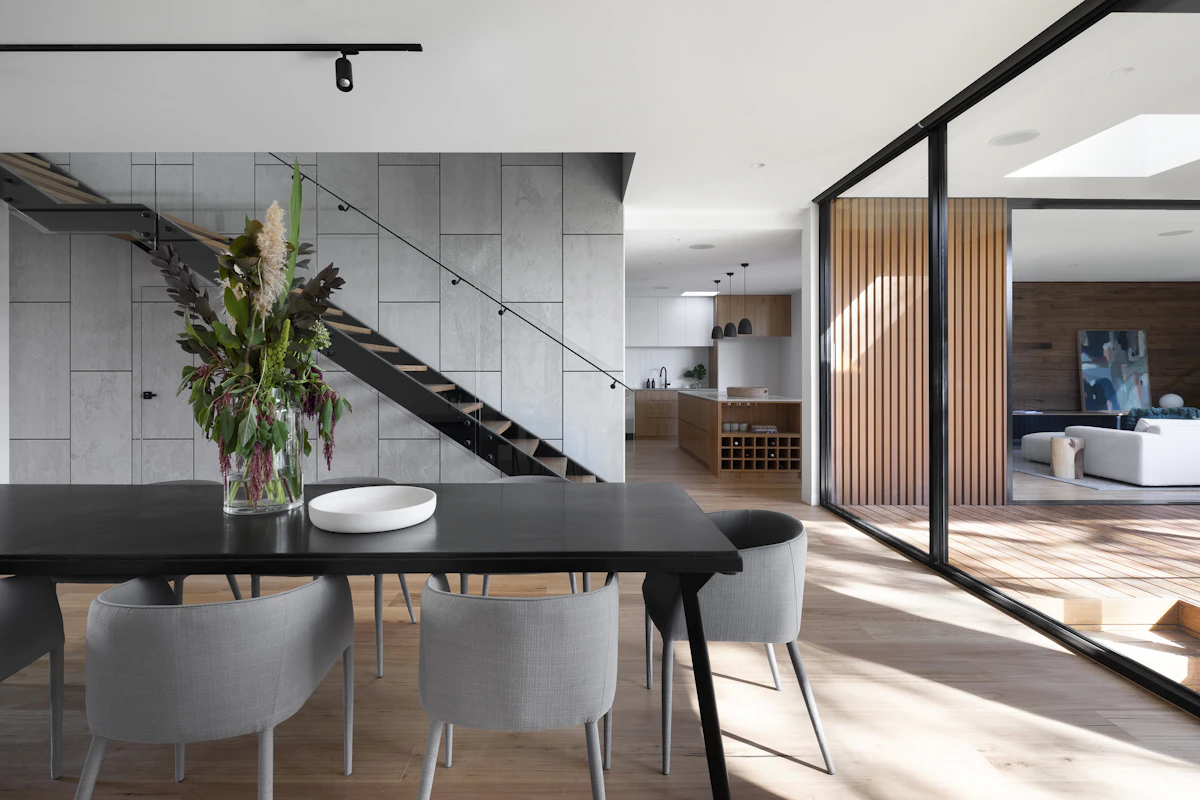
Your Next Home
Consider the new property price, mortgage requirement, Stamp Duty, moving costs and how the new monthly payment fits your finances.
Five stages to keep your next move organised.
Planning ahead can help you understand what needs to happen before your current home is sold and your new home is ready.
Review
Assess your current mortgage, property value and finances.
Prepare
Get your property ready and understand likely selling costs.
Search
Explore properties that fit your updated budget.
Negotiate
Manage the sale and purchase decisions together.
Complete
Finalise the legal work, finances and move into your home.
Your current property may help fund your next move.
If your current property is worth more than the amount remaining on your mortgage, the difference represents equity before considering selling costs and other adjustments.
The amount available towards your next purchase depends on your actual property value, mortgage balance, costs and circumstances.
Budget for the move, not just the new property.
Selling one property and buying another can create several costs that are easy to overlook when focusing only on the new purchase price.
Estate Agent Fees
Selling a property may involve estate agency fees depending on the service and agreement you choose.
Stamp Duty
A new property purchase may create a Stamp Duty liability depending on the property and your circumstances.
Legal Costs
Selling and buying can require legal and conveyancing work, with costs depending on the transaction.
Moving Expenses
Removals, storage, cleaning and other practical costs can all form part of your moving budget.

Your existing mortgage may not simply carry over.
When moving home, it is important to understand how your existing mortgage fits into the transaction. Depending on your lender and mortgage product, you may have options such as porting, refinancing or arranging a new mortgage.
Keep both sides of the move organised.
A simple checklist can help you keep track of the financial and practical decisions involved in moving home.
Financial Preparation
Practical Preparation
Plan the financial side of your next move.
Use GrowthSmartly's calculators and guides to explore affordability, mortgage payments, LTV and purchase taxes.
Mortgage Affordability Calculator
Estimate a potential borrowing range for your next home.
Check Affordability →Mortgage Calculator
Explore potential monthly repayments for different borrowing scenarios.
Calculate Mortgage →Loan-to-Value Calculator
Understand the relationship between your mortgage and property value.
Calculate LTV →Stamp Duty Calculator
Estimate potential Stamp Duty costs on your next property.
Calculate Stamp Duty →Buying Property Guide
Explore the wider property-buying process and key costs.
Explore Buying →First-Time Buyer Guide
Know someone buying their first home? Explore the dedicated first-time buyer guide.
Read Guide →

Questions to consider before moving home.
Moving can involve several financial and practical decisions. These answers provide a useful starting point.
Ready to plan your next move?
Start with your current position, understand the costs and then work out what your next home could look like.