
Your first home is a big step. Make it an informed one.
Buying your first home can feel complicated, especially when you are dealing with deposits, mortgage affordability, property searches, legal work, taxes and the final move. This guide brings the main stages together in one place.

Before you search for a home, understand what you can realistically afford.
A first home should fit your wider financial position, not simply the maximum property price you can find. Start by looking at your income, regular expenses, deposit, existing commitments and potential mortgage repayments.
Remember to consider costs outside the mortgage too, including taxes, legal fees, surveys, insurance, maintenance and the everyday cost of running a home.
Six stages from preparing your finances to getting the keys.
The exact process can vary, but these stages provide a useful framework for planning your first property purchase.
Prepare
Review your income, spending, credit position, deposit and existing financial commitments.
Budget
Estimate the property price and monthly costs that fit comfortably within your finances.
Search
Compare locations, property types, transport, amenities and the condition of potential homes.
Offer
Make an informed offer after considering comparable properties and your overall budget.
Complete
Progress through mortgage, legal work, searches, surveys and the exchange and completion process.
Move In
Organise utilities, insurance, removals and the practical details of settling into your new home.
Your deposit is only the beginning of the upfront budget.
Saving for a deposit is one of the biggest milestones for a first-time buyer. But the cash you need for a purchase can also include Stamp Duty where applicable, legal costs, surveys, mortgage fees, moving expenses and an emergency buffer.
Keeping some savings available after completion can also help you manage unexpected household expenses.
The illustration is not a recommendation or indication of a suitable deposit size. Actual mortgage requirements vary by lender, product and borrower circumstances.


Affordability is about more than the maximum mortgage.
A lender's assessment and your own household budget are both important. Think about whether the repayments would remain manageable alongside your normal living expenses and future plans.
Your first-home budget should include more than the asking price.
Some costs happen before completion, while others become part of the ongoing cost of owning a home.
Stamp Duty
Depending on the property and current rules, you may have Stamp Duty to pay. Check the applicable rules for your circumstances.
Legal Costs
Conveyancing, searches and other legal work can form part of the purchase costs.
Survey
Depending on the property and your needs, you may want an appropriate survey or inspection.
Moving & Setup
Include removals, furniture, utilities, insurance and other expenses associated with setting up your home.

Look beyond the photos when viewing your first home.
A property can look very different in person. Use viewings to understand the condition, layout, location and practical suitability of the home.
Slow down before committing to the number.
A property can feel exciting, but an offer should still make sense within your overall budget and understanding of the property.
Compare Similar Homes
Look at comparable properties in the same area to get useful context around asking prices and features.
Review Your Budget
Make sure the purchase price and expected mortgage payment remain within your planned financial range.
Understand The Property
Consider the property's condition, tenure, service charges where relevant and any work that may be needed.
What happens after your offer is accepted?
The process can involve several professional and legal steps. Your solicitor, lender and other professionals can explain the exact requirements for your transaction.
Offer
Agree the proposed purchase price with the seller.
Mortgage
Progress your mortgage application and lender checks.
Searches
Legal searches and property checks are carried out.
Exchange
Contracts are exchanged once the transaction is ready.
Completion
The purchase completes and you can take possession.
A little preparation can prevent expensive surprises.
First-time buyers can easily focus on the property itself and overlook some of the wider financial and practical considerations.
Check the numbers before you start viewing properties.
Use our calculators and guides to explore different parts of your first-home budget.
Mortgage Affordability Calculator
Explore an illustrative borrowing range based on income and financial information.
Check Affordability →Mortgage Calculator
Estimate potential monthly repayments for different mortgage amounts, rates and terms.
Calculate Mortgage →Loan-to-Value Calculator
Understand the relationship between your mortgage and the property's value.
Calculate LTV →Stamp Duty Calculator
Estimate potential Stamp Duty costs based on the property purchase details you enter.
Calculate Stamp Duty →Property Buying Guide
Explore the wider home-buying process, costs and practical considerations.
Explore Buying Guide →Moving Home Guide
Already own a property? Explore the process of selling and buying your next home.
Explore Moving Home →
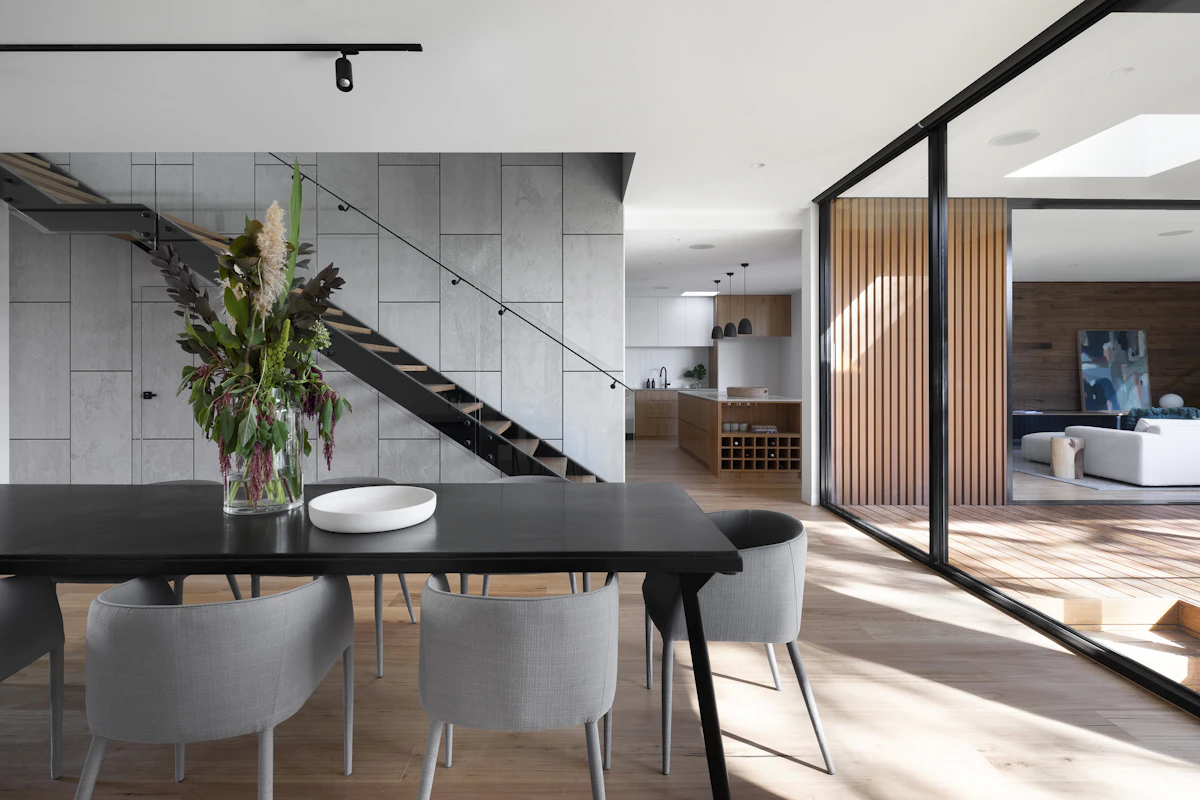
Common questions before buying your first home.
These answers are intended as general educational information. Property, mortgage and tax outcomes can vary depending on your circumstances.
Your first home starts with a clear plan.
Understand your affordability, plan your deposit, account for buying costs and explore the process before you start making offers.